 Image 1 of 1
How it Works: The Science of "Capsaicin"
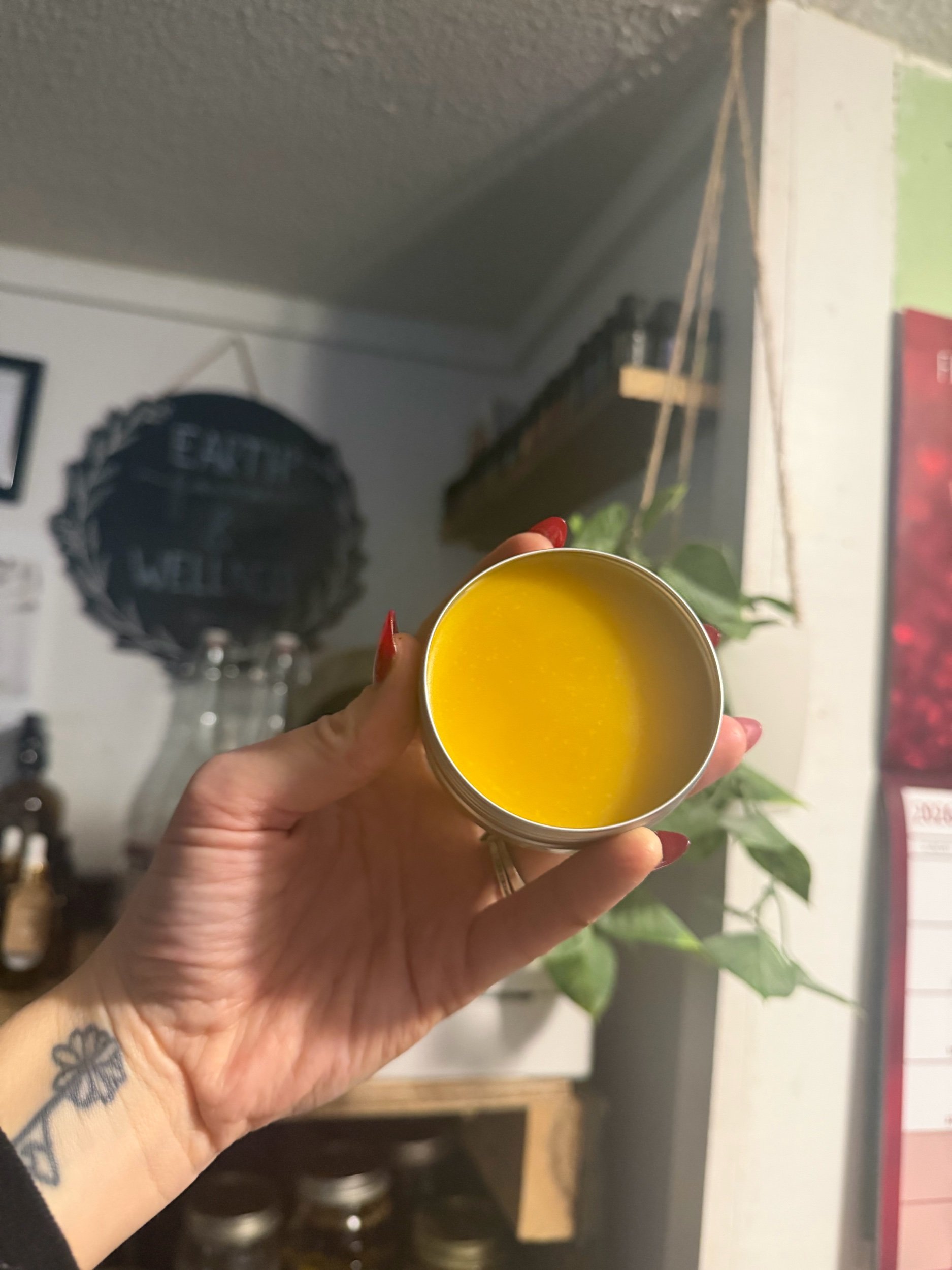
The magic ingredient in cayenne is a compound called capsaicin. When applied topically in a salve (usually infused into olive oil and thickened with beeswax), it does two primary things:
• Circulation Boost: It acts as a rubefacient, meaning it draws blood flow to the surface of the skin. This increased circulation helps flush out toxins (like lactic acid) and brings fresh oxygen to healing tissues.
• The "Gate Control" Effect: Capsaicin works by temporarily depleting Substance P, a neurotransmitter that sends pain signals to the brain. Essentially, it "distracts" your nerves, lowering the volume on chronic pain over time.
Key Benefits for Muscles & Joints
• Deep Tissue Relief: Excellent for "knotted" muscles in the shoulders or lower back.
• Joint Flexibility: Frequently used for osteoarthritis or rheumatoid arthritis to ease morning stiffness and improve range of motion.
• Nerve Pain Support: Often helpful for localized nerve discomfort (like sciatica or neuralgia) because of its interaction with pain receptors.
The "Golden Rules" of Application
Because you’re dealing with the same heat that makes spicy food kick, there are a few non-negotiable rules for using a cayenne salve:
1. The Patch Test: Always test a tiny amount on your inner forearm first. Some people have sensitive skin that can turn bright red or feel too hot.
2. Wash Your Hands Immediately: This is the most important rule. If you touch your eyes, nose, or other "sensitive areas" after applying the salve, you will experience a very literal—and painful—reminder.
3. The Build-Up: Capsaicin works best with cumulative use. You might not feel a massive difference after the first application, but using it 2–3 times a day for a week "trains" your nerves to stay quiet.
4. Avoid Broken Skin: Never apply to cuts, rashes, or open wounds unless you want a very unpleasant stinging sensation.
Pro-Tip: If the heat feels too intense after applying, do not use water to wash it off (water can actually spread the oils and make it feel hotter). Instead, use a cloth soaked in milk or vegetable oil to break down the capsaicin and soothe the skin.
How it Works: The Science of "Capsaicin"
The magic ingredient in cayenne is a compound called capsaicin. When applied topically in a salve (usually infused into olive oil and thickened with beeswax), it does two primary things:
• Circulation Boost: It acts as a rubefacient, meaning it draws blood flow to the surface of the skin. This increased circulation helps flush out toxins (like lactic acid) and brings fresh oxygen to healing tissues.
• The "Gate Control" Effect: Capsaicin works by temporarily depleting Substance P, a neurotransmitter that sends pain signals to the brain. Essentially, it "distracts" your nerves, lowering the volume on chronic pain over time.
Key Benefits for Muscles & Joints
• Deep Tissue Relief: Excellent for "knotted" muscles in the shoulders or lower back.
• Joint Flexibility: Frequently used for osteoarthritis or rheumatoid arthritis to ease morning stiffness and improve range of motion.
• Nerve Pain Support: Often helpful for localized nerve discomfort (like sciatica or neuralgia) because of its interaction with pain receptors.
The "Golden Rules" of Application
Because you’re dealing with the same heat that makes spicy food kick, there are a few non-negotiable rules for using a cayenne salve:
1. The Patch Test: Always test a tiny amount on your inner forearm first. Some people have sensitive skin that can turn bright red or feel too hot.
2. Wash Your Hands Immediately: This is the most important rule. If you touch your eyes, nose, or other "sensitive areas" after applying the salve, you will experience a very literal—and painful—reminder.
3. The Build-Up: Capsaicin works best with cumulative use. You might not feel a massive difference after the first application, but using it 2–3 times a day for a week "trains" your nerves to stay quiet.
4. Avoid Broken Skin: Never apply to cuts, rashes, or open wounds unless you want a very unpleasant stinging sensation.
Pro-Tip: If the heat feels too intense after applying, do not use water to wash it off (water can actually spread the oils and make it feel hotter). Instead, use a cloth soaked in milk or vegetable oil to break down the capsaicin and soothe the skin.